Reformer at Home vs Studio Classes: the Real Cost
A home reformer can pay for itself in about ten studio classes. Whether it replaces the studio is a different question.
By Caro · Updated November 15, 2026
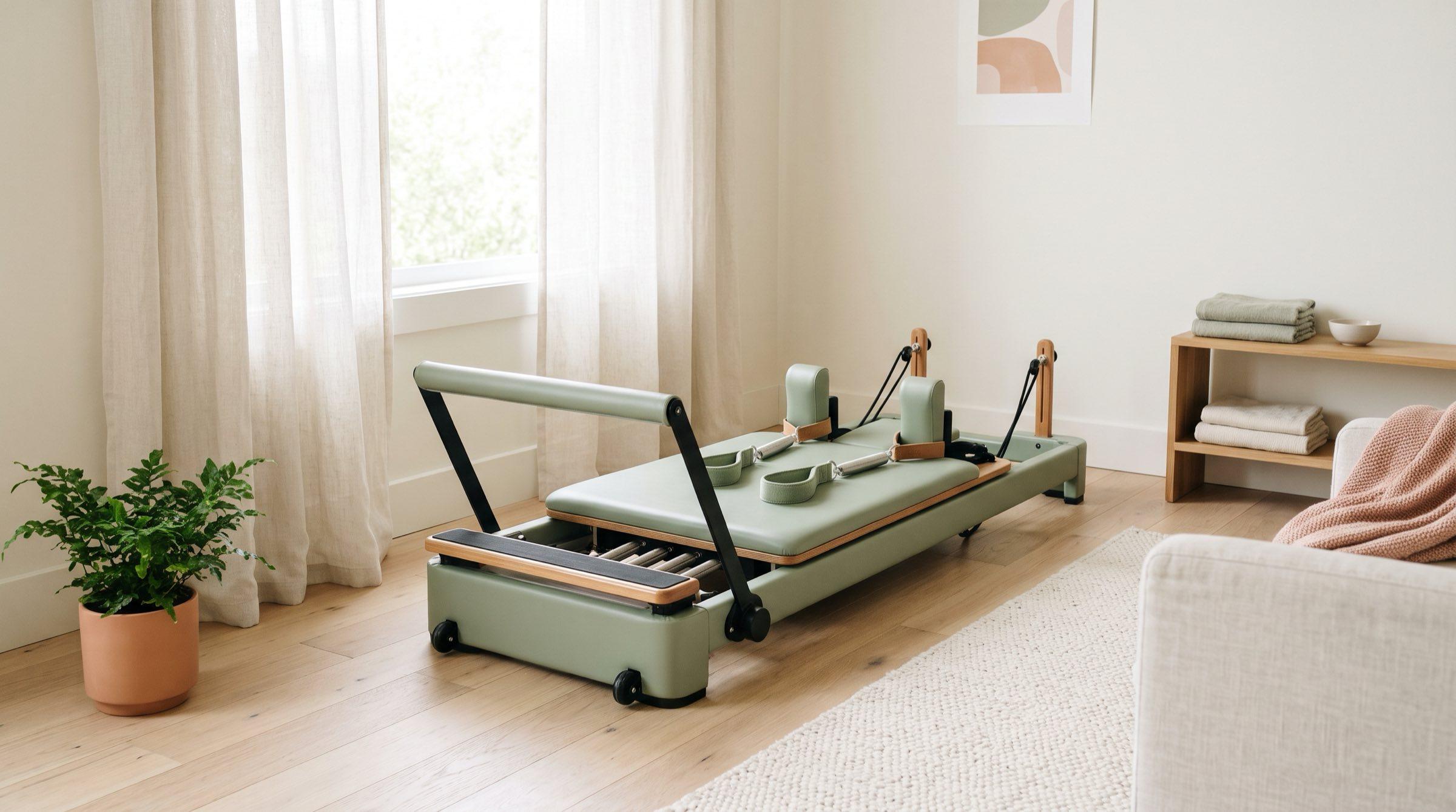
At $40 a studio class, a home reformer between $270 and $450 costs the same as about 7 to 11 drop-in classes. It pays for itself fast, but keep a few studio classes to learn the form.
Some links are affiliate links: we may earn a commission, at no extra cost to you. How this works
I take my reformer classes in a studio, and the question comes up every time the monthly bill does: would a machine at home be cheaper? On paper, often yes. In practice, it depends on what you're paying the studio for.
What studio classes cost
Prices vary a lot by city, but the range is fairly consistent. Smart Health Clubs, citing Vibefam's 2026 US breakdown, puts it this way: "Boutique contemporary reformer studios usually charge $35 to $55 a class", with memberships between $159 and $230 a month. Many studios also offer a cheaper first class; Club Pilates, for one, offers a free intro class.
At $40 a class and two classes a week, that's about $350 a month on drop-ins, or roughly $160 to $230 on a membership.
What a home reformer costs
Home reformers under $500 are a different machine from the studio ones. Most fold for storage, and many use elastic cords or a few springs instead of a full spring bank, with a lighter carriage and frame. Studio reformers are a much bigger investment. The foldable home models we found on Amazon ranged from roughly $250 to $500.
The break-even math
Take a $300 home reformer against $40 drop-in classes: it costs the same as 7 or 8 classes. At $500, it's about 12 classes. If you'd otherwise go twice a week, that's one to two months of drop-ins.
Against a membership, the math is slower but still quick: a $300 machine equals roughly six weeks to two months of a $159 to $230 plan.
What the money actually buys
At the studio you pay for an instructor who watches your alignment, a heavier machine with real springs, and a class that tells you what to do next. That matters most when you're starting out: it's how you learn the footwork, the strap work and how to set the springs safely.
At home you pay once and practice whenever you want, but you need a program to follow (videos or an app), the space to leave the machine out or the patience to unfold it, and the discipline to actually use it.
If you do buy one
Look for a machine with a long review history rather than a perfect rating from a handful of buyers. Two that meet that bar: the AeroPilates Reformer Plus 379, the most reviewed home reformer we found (4.5 stars from 400+ reviews), and the ZENOVA foldable reformer at around $270. Our guide to reformers under $500 compares them in more detail.
AeroPilates Reformer Plus 379
Most reviewed home reformer, often on sale; check the current price
ZENOVA Foldable Pilates Reformer
Budget pick, folds for storage, 4.2 stars
~$270
A sensible split
If you're new to the reformer, take studio classes first, at least until the basic exercises feel familiar. A home machine works best as a supplement: one or two home sessions a week between studio classes, rather than a full replacement from day one.
Before buying, check the machine's weight limit, folded footprint, and whether it uses springs or cords, and read the return policy: a reformer is a bulky item to send back.
A home reformer pays for itself in about ten classes. It doesn't replace the instructor, so keep a few studio classes in the mix.
Keep reading
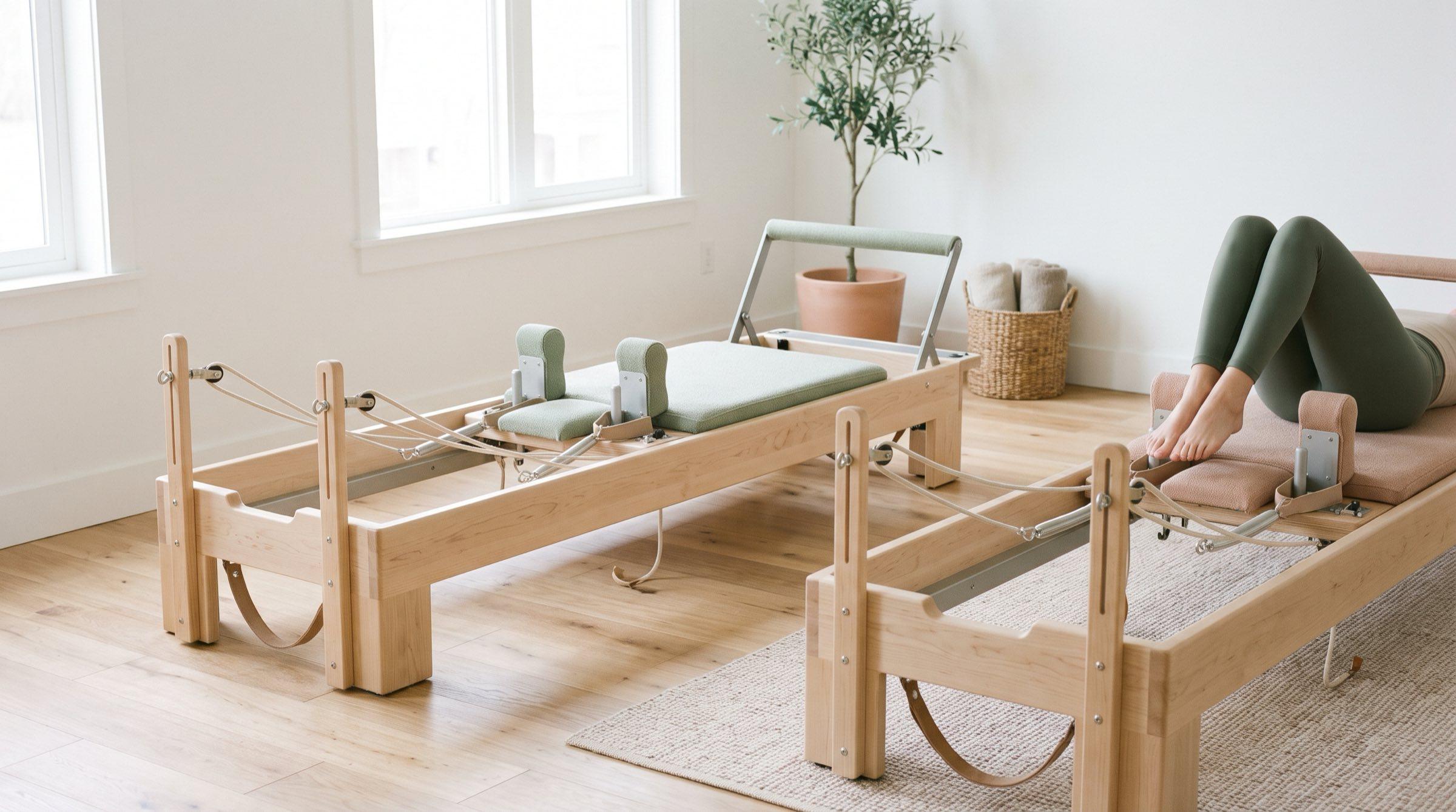
Best At-Home Pilates Reformers Under $500
A home reformer under $500 won't feel like the studio machine, but the right one is a solid way to practice between classes.
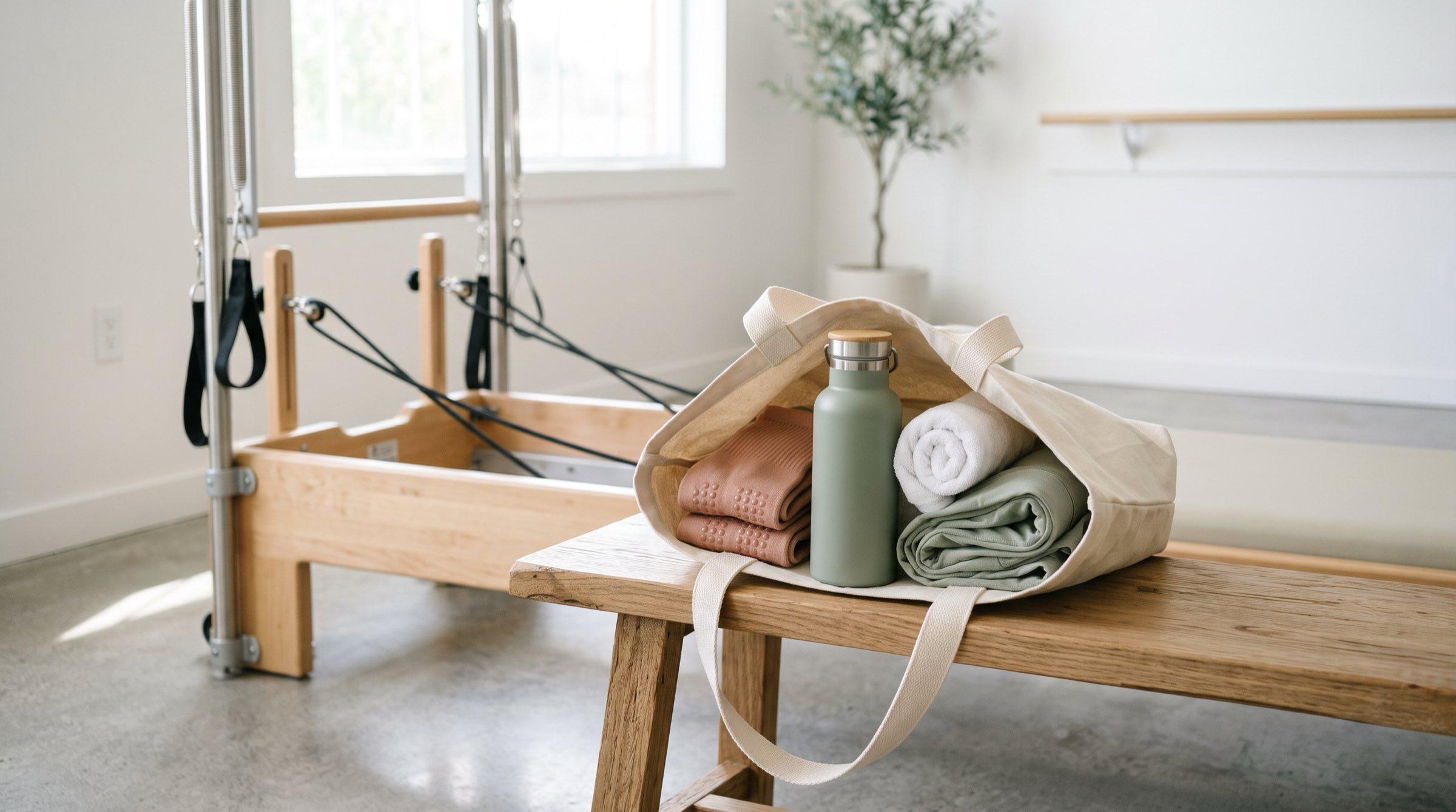
What to Bring to Your First Reformer Pilates Class
The reformer does the heavy lifting, so the list is short: grip socks, water, a small towel and clothes your instructor can see you move in.